
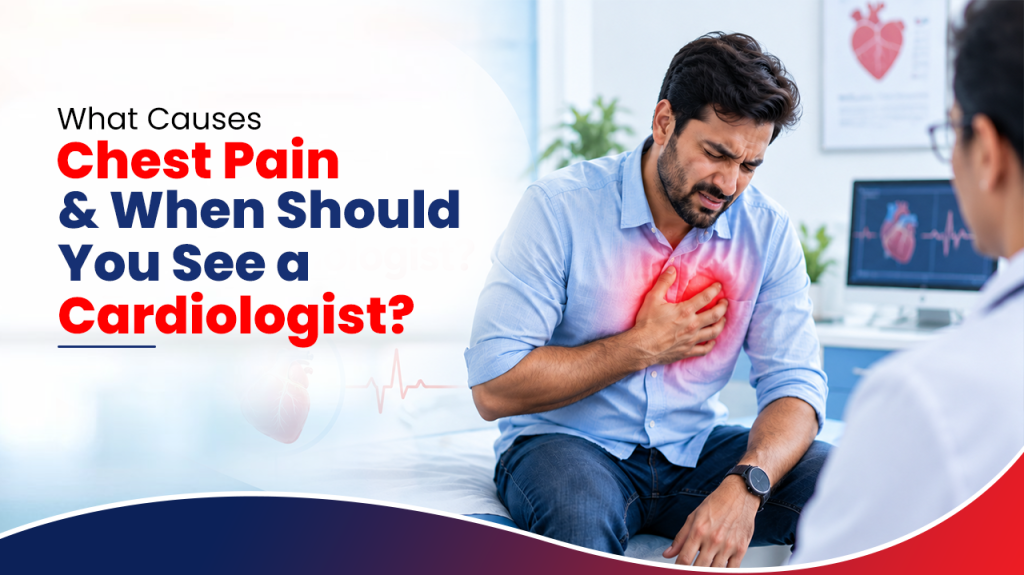
While chest pain can be a scary experience, it doesn’t always mean heart-related. Can be caused by muscles, digestive organs, lungs or even stress and anxiety, and causes of chest pain can vary. However, other types of chest pain may indicate a serious heart condition. Knowing what causes these symptoms and what signs may indicate medical care is needed can help you decide if care is needed.
How to Know What May Have Triggered Chest Pain
There are various conditions which can cause chest pain from a minor problem to a medical emergency. Common causes include:
- Heart-related problems
- Muscle strain
- Acid reflux
- Lung infections
- Anxiety and stress
Chest pain can be related to the heart or it can be due to inadequate blood supply to the heart. Angina, coronary artery disease or a heart attack may result in pressure or discomfort in the chest that feels heavy, squeezing or discomfort.
When Can Chest Pain Be an Emergency?
Some of the symptoms in addition to chest pain may signal a serious heart issue, and should be treated immediately:
- Persistent chest pain which returns or sticks around for several minutes
- Pain spreading down arm to the shoulder, back, neck or jaw.
- Sudden difficulty in breathing with sweating, nausea or severe weakness
- Fainting, extreme dizziness or an abnormally fast or irregular heartbeat
If symptoms suddenly occur or get worse, it is important to get emergency medical help – not wait until they ‘go away’.
What Is the Role of a Cardiologist in the Case of Chest Pain?
A specialist in heart disease can assess the chest pain, to determine whether it is caused by the heart. The assessment may involve a discussion of symptoms, medical history, blood pressure and lifestyle factors. The doctor might suggest tests like a blood test, stress test, echocardiogram or an electrocardiogram (ECG), with a cardiologist in Khalilabad providing the necessary evaluation.
The cardiologist will also be able to identify risk factors such as high blood pressure, high cholesterol, diabetes, smoking, obesity and familial heart disease. The cardiovascular evaluation may detect any cardiovascular problems at an early stage and treatment can be initiated if necessary, before complications occur.
Conclusion
Any chest pain that is sudden, severe or persistent in nature or has one or more of the other warning signs listed above should not be ignored. Some causes are not serious, others involving the heart may require prompt treatment. Early recognition of heart disease risk factors and the prompt consultation of health care professionals will aid in heart health and help identify signs of heart problems early. Team at Kalpit Healthcare can help to arrange timely and effective referral to cardiac care and guidance for recurrent or uneventful chest pain.