
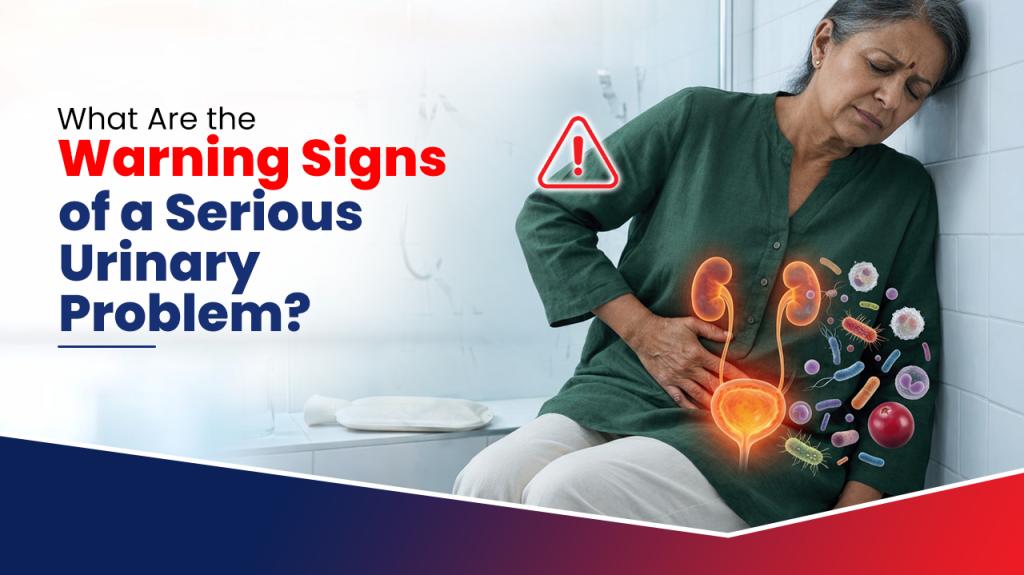
Urological problems affect people of all ages and may be as straightforward as an infection or something that requires medical treatment. If urination is altered, this doesn’t necessarily mean it’s gone, so it should not be ignored, nor should pain, blood in the urine, or sudden changes in bladder habits. If warning signs of urinary problems can be detected early, it will help the person get the right diagnosis and treatment before the urinary condition worsens out of the reach of treatment.
What could be some changes in urination that would create a problem?
A change in urination from the normal pattern can at times be a symptom of a urinary or renal system dysfunction. Knowing about atypical signs and symptoms can be helpful in identifying the need for medical attention.
- Increased urination (frequency) than normal
- Difficulty starting urination
- Weakness of urination, or dribbling.
- Urge incontinence: when the bladder control is lost all at once.
What are Some Signs you need to See?
Urinary symptoms might require immediate medical evaluation if they begin suddenly, worsen, or are accompanied by other symptoms. Blood in the urine (haematuria), significant pain, fever, and/or trouble urinating may occur if there is a need for immediate treatment.
Does it hurt or burn when you go to the toilet to get to the toilet?
UTIs are usually accompanied by bladder pain or burning while urinating (micturition), but can also be caused by other factors. Persistent pain, pain on the sides or back, and/or lower abdominal pain may need medical assessment. If the pain in the urine is accompanied by fever, chills, nausea, or extreme weakness, please seek medical help. A detailed examination of the symptoms can be done by a health professional and a decision made regarding whether or not testing and/or treatment is required.
What does change in the colour of urine indicate?
The colour of urine can provide some clues to urinary health, at times. Some medications, hydration of urine, and diet will change the color of urine, but if the urine color is always different or is not explained, it is worth considering.
- Blood in urine
- Urine is cloudy or very dark in colour
- Urine that is strong or smells abnormally.
- Foam and the frequent return of foamy urine.
When to get medical help?
In certain urinary symptoms, it may be essential to evaluate these symptoms immediately and not wait until they have passed. This is especially so if symptoms are severe, persistent, or if there’s signs of health issues.
- A person who is not able to urinate.
- Blood in urine (hematuria)
- Severe pain in the middle or lower back, or in the sides.
- Any fever accompanied by symptoms to the urine.
Conclusion
When signs and symptoms, such as blood in the urine, painful urination, urine changes drastically, trouble urinating, or very severe pain, occur, people seek timely healthcare. If there are urinary symptoms that do not improve or are of concern, it is not the right treatment to take on your own but to consult a health care professional. If urinary ailments become a problem, individuals may want to reach out to Kalpit Healthcare to determine the seriousness of the condition and get urinary treatment in Khalilabad and medical help.